Project overview

Advanced Technologies for Preservative Treated Wood Waste Recycling

WOODTREAT is a European research and innovation project focused on developing advanced technologies to enable the safe recycling and valorisation of highly contaminated post-consumer wood waste.

By combining innovative detection, depollution, and valorisation approaches, WOODTREAT supports the transition towards a circular, safe, and sustainable bio-based economy.

Wood Treat
Wood Treat
The challenge

Why preservative-treated wood waste requires new solutions

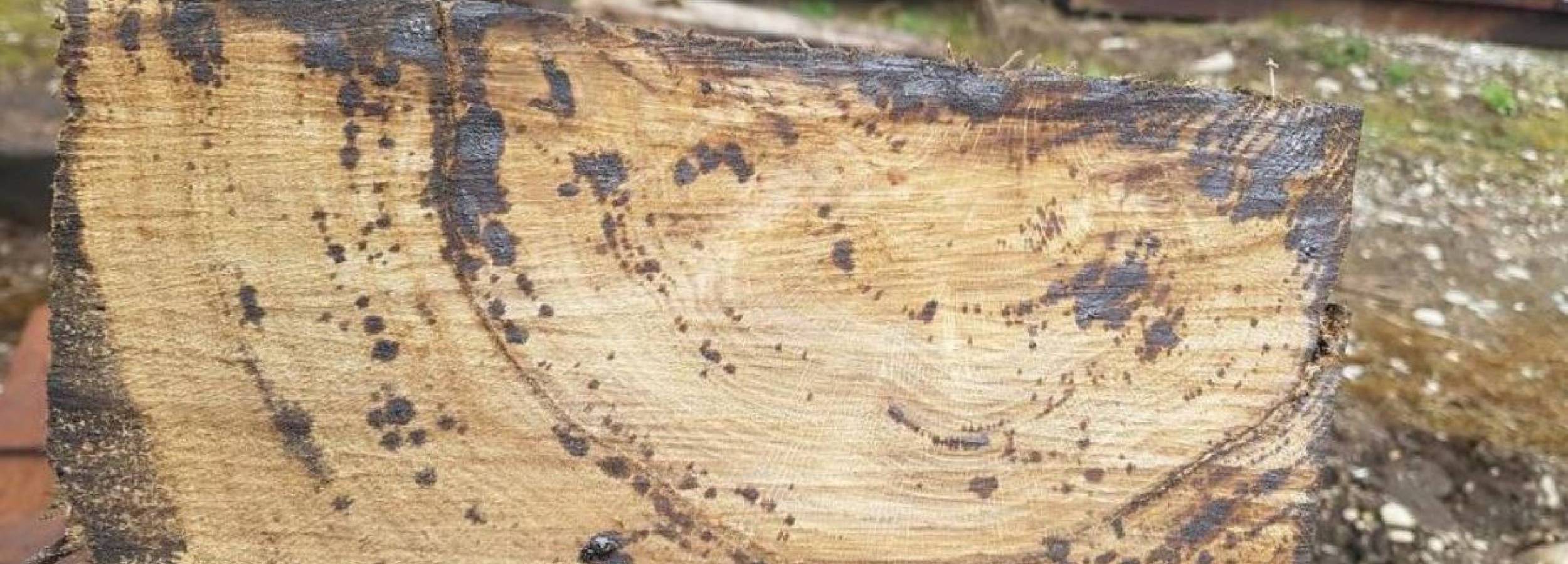
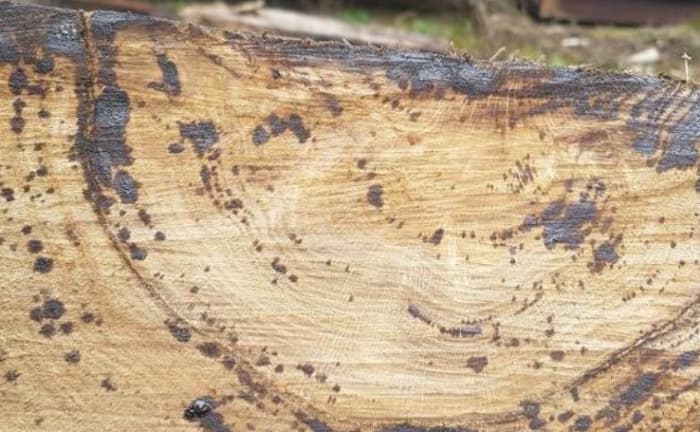
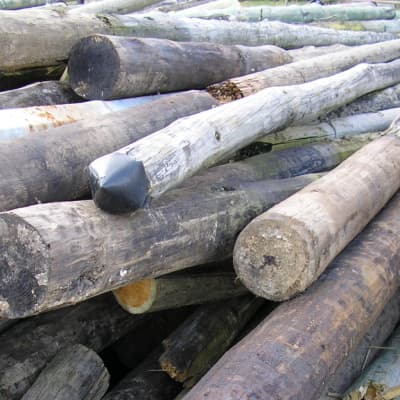
Wood waste is commonly classified into different categories depending on national regulations. The most contaminated fraction—often referred to as grade C or AIII/AIV—consists of preservative-treated wood impregnated with chemical substances such as pesticides, biocides, fungicides, and heavy metals.

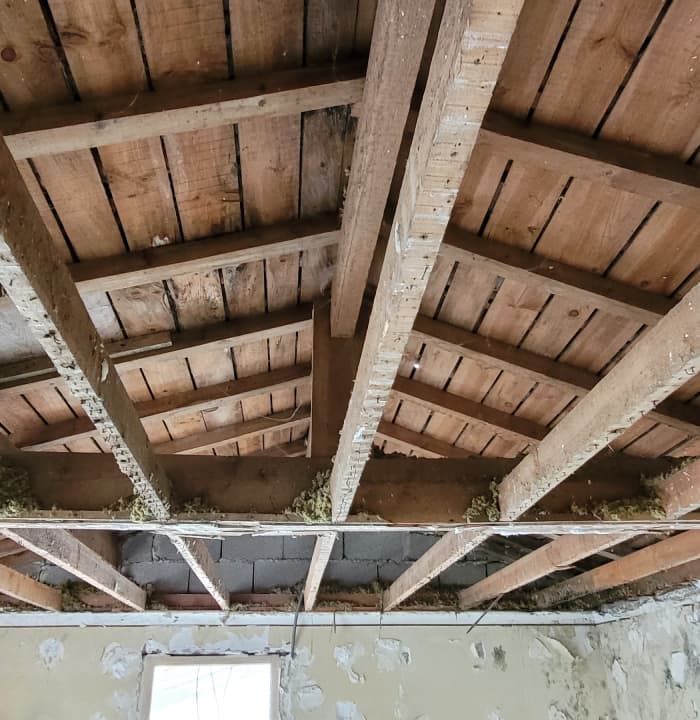
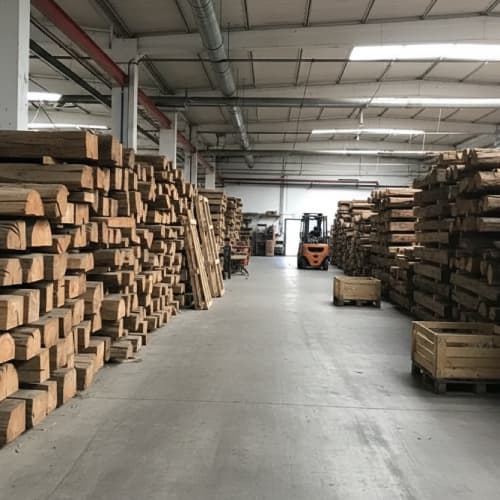
This type of wood waste is currently not recycled and is mainly disposed of through landfilling or incineration. At the same time, European strategies such as the European Green Deal and the New European Bauhaus are driving increased use of wood in construction and products, which will inevitably result in higher volumes of treated wood reaching end of life. This creates an urgent need for safe and sustainable end-of-life solutions.

Wood Treat
Wood Treat
Environmental & technological criticalities

Complex contamination, limited recycling pathways

Preservative-treated wood poses significant risks to both the environment and human health. The presence of organic and inorganic contaminants strongly limits the effectiveness of conventional mechanical and chemical recycling processes.

Grade C wood waste is highly heterogeneous, combining different wood types, products, and contamination levels. This complexity requires an integrated approach that links circular economy strategies, waste management systems, and non-toxic environment policies. In addition, current recycling pathways are constrained by regulatory uncertainties that affect the market acceptance of recycled materials derived from highly contaminated wood waste.

Techonological gaps

What is currently missing

A major technological gap lies in the lack of reliable, automated systems for the real-time identification and characterisation of chemically contaminated wood waste. Without accurate sorting and stream separation, treatment and valorisation processes cannot be optimised.

WOODTREAT addresses this gap by developing innovative on-line characterisation technologies capable of identifying highly polluted post-consumer wood waste and directing it to the most appropriate depollution and recycling pathways.

The woodtreat approach

A multi-dimensional cascade solution

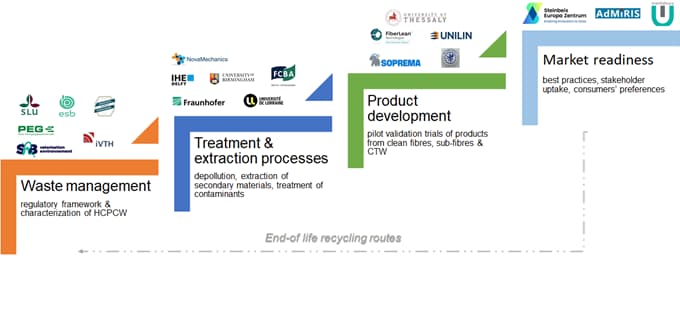
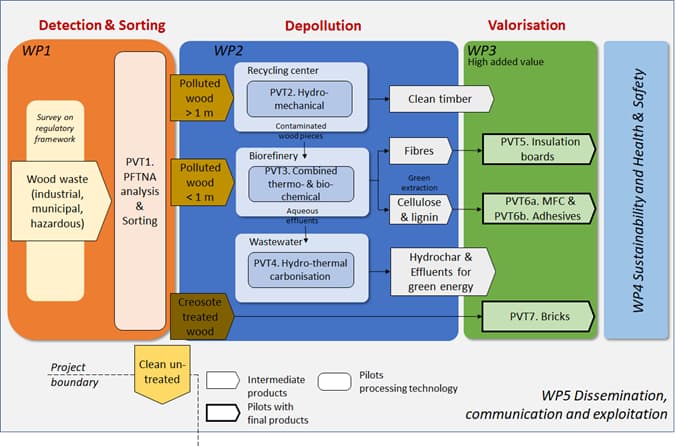
WOODTREAT proposes a multi-dimensional cascade approach to treat and valorise highly contaminated post-consumer wood waste. The concept is implemented through a sequence of seven Pilot Validation Trials (PVTs) designed to test and validate innovative solutions for:

  • Automated identification and characterisation of treated wood
  • Removal and reduction of hazardous contaminants
  • Production of clean and safe secondary raw materials
  • Development of value-added products for new industrial applications
Wood Treat
Project objectives

From polluted waste to circular resources

The overarching goal of WOODTREAT is to develop techniques that allow the recovery of clean secondary materials from post-consumer wood that is highly polluted with preservatives. These solutions can also be applied to less contaminated wood fractions that are currently incinerated.

Value Chain Analysis


WOODTREAT provides actors across the value chain with a comprehensive analysis of the technical, regulatory, and economic constraints affecting the responsible valorisation and cascade use of highly polluted post-consumer wood waste (HPPCW).
Smart Wood Characterisation


The project develops a novel on-line characterisation system capable of identifying and classifying chemically treated wood waste in real time, enabling efficient sorting and optimised treatment pathways.

Advanced Depollution


WOODTREAT develops and integrates advanced technologies to remove hazardous contaminants from HPPCW, enabling the production of clean and sustainable secondary materials for industrial biorefineries.

Industrial Validation


The project validates the use of clean secondary materials and creosote-treated wood (CTW) in four industrial value chains, demonstrating technical feasibility and market potential.

Safe & Sustainable Processing


WOODTREAT improves the safety and sustainability of wood waste processing by applying and advancing Safe and Sustainable by Design (SSbD) approaches throughout the project lifecycle.

Public Awareness & Acceptance


The project increases public awareness and social acceptance of wood depollution processes and the resulting products, supporting trust and uptake of circular solutions derived from HPPCW.

Expected impact

Supporting circular economy and EU sustainability goals

By reducing reliance on virgin raw materials and limiting unsustainable waste management practices such as landfilling and incineration, WOODTREAT contributes to a more circular and resilient wood sector.

The project supports European sustainability, innovation, and environmental safety policies by enabling cleaner material flows, promoting bio-based products, and fostering trust in recycled materials derived from complex waste streams.

Work packages

A structured pathway to innovation

WOODTREAT is organised into six interlinked work packages that ensure effective implementation, validation, and impact:

WP1
Characterising wood waste via novel technologies
WP2
Depollution and extraction of secondary materials From wood waste
WP3
Valorisation of depolluted and creosote-treated wood Into high-added-value products
WP4
Health, safety and sustainability
WP5
Communication, dissemination and exploitation
WP6
Project management
Wood Treat